
Fitted Kitchen
Submit the details of your project& get FREE quotes from our Accredited Home Improvement Companies
Find Trusted Fitted Kitchen Home Improvement Companies
Are you looking for a new fitted kitchen to add value and upgrade the look of your home? Here at Consumer Advisory, we pride ourselves in connecting you with the best accredited home improvement companies local to you. All of the accredited home improvement companies on our system have gone through stringent vetting by us to ensure they are reliable and that they have the necessary qualifications to complete your home project. By choosing to have a new fitted kitchen installed, you are able to make the most of the space in your home. They can include compartments like angled draws or slim cupboards, again making the most out of any awkward spaces and having them as new storage units. Our job is to take away the stress and uncertainty that you may find when searching for the most suitable accredited home improvement companies.
Enquire now and receive FREE quotes for your home improvement project.
Signup now and get helpful tips and advice
Enter your details below and we will email you the Top Ten Tips & Advice that you need to know before buying a Fitted Kitchen.
Areas We Cover
Why Choose Consumer Advisory?
- ✅ Only Accredited Home Improvement Companies:
We only recommend and work with home improvement companies who are qualified and thoroughly vetted. We make sure that every fitted kitchen home improvement company is fully accredited, insured and assessed.
- 🎯 Save Time:
We know it can take a long time to find a trusted fitted kitchen home improvement company. At Consumer Advisory we make the process simple by providing you with free quotes from reliable experts, so you don’t have to spend hours searching.
- 🔍 Transparent pricing :
Our home improvement companies offer obligation-free quotes, so you can make an informed decision with confidence.
- 🤝 Dedicated Support You Can Trust :
At Consumer Advisory we provide you with guidance and assistance you can trust every step of the way.
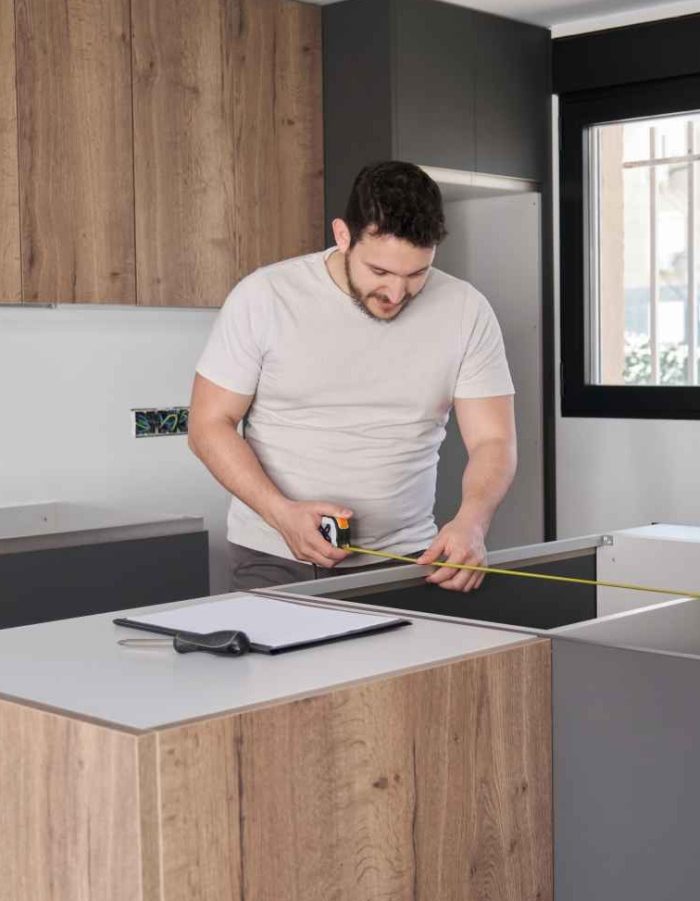
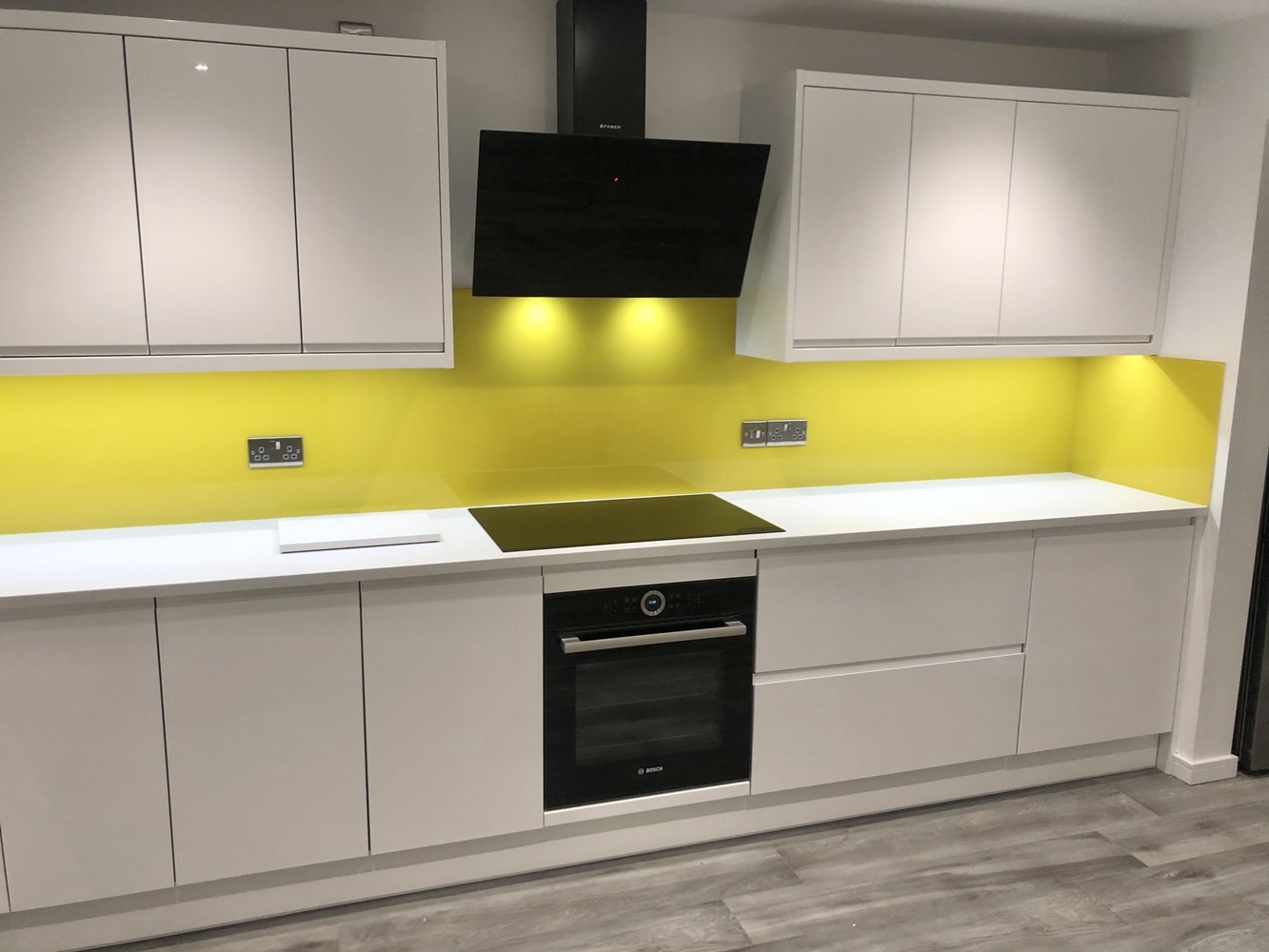
Our Recent Work



How It Works
Submit Your Project Details
Start by filling out our simple online form to give us an overview of your project needs. Whether you’re interested in a traditional kitchen style, a contemporary look, or specific materials and features, share as much detail as possible so we can understand your vision.
Get Matched with Top Home Improvement Companies
Based on your specifications, we’ll search through our list of vetted home improvement companies who align with your project requirements, style, and budget. Each home improvement company in our network is reviewed for expertise, experience, and credentials to ensure you only see the best matches for your job.
Finalise Your Choice and Begin the Project
Collaborate with your selected home improvement company to discuss project specifics and schedule the work. With Consumer Advisory, you can trust that you're working with verified experts who are committed to delivering quality results.
Benefits of a Fitted Kitchen
Upgrading to a fitted kitchen is a great investment for the following reasons:
Space and layout
You can have your fitted kitchen customed designed to maximise space and improve overall functionality.
Storage solutions
To help reduce clutter and keep your kitchen organised, fitted kitchens offer you custom cabinetry and storage solutions.
Modern and stylish design
Fitted kitchens are custom made so they can match your taste and preference.
Durable and low maintenance
Our home improvement companies use high quality materials that are built to last and easy to maintain.
Ready for Free, No-Obligation Quotes?
Fill out our quick form which will take less than 60 -seconds and get free quotes from trusted accredited home improvement companies in no time
FAQ's
1. What Is the Difference Between a Fitted and Freestanding Kitchen?
A fitted kitchen is designed around fixed units and appliances that are installed as part of a coordinated layout, while a freestanding kitchen uses individual furniture pieces that can usually be moved or replaced more easily. Fitted kitchens can provide a more streamlined appearance and make efficient use of available space. Consumer Advisory recommends considering your preferred layout, storage requirements, and long-term plans before choosing between the two options.
2. How Much Kitchen Storage Do I Need?
The amount of storage required depends on the size of your household, cooking habits, appliances, and the items you regularly keep in the kitchen. Well-planned storage can include drawers, cupboards, pull-out units, pantry systems, and specialised organisers. Consumer Advisory recommends reviewing your existing storage needs before finalising the kitchen design.
3. What Kitchen Cabinet Materials Are Available?
Kitchen cabinets can be manufactured using materials such as MDF, plywood, particleboard, solid timber, and engineered wood products, with different finishes available on top. Each option offers different levels of durability, appearance, and cost. Consumer Advisory recommends comparing the construction quality and finish of cabinets rather than choosing solely on appearance or price.
4. Should I Choose Handleless or Handled Kitchen Cabinets?
Both styles can work well, depending on your preferences and the overall design of the kitchen. Handleless cabinets can create a minimalist appearance, while traditional handles offer a wide range of decorative and practical options. Consumer Advisory recommends considering ease of use, cleaning, accessibility, and the overall style of your home when making your choice.
5. What Lighting Should a Fitted Kitchen Have?
A well-designed kitchen may benefit from a combination of general, task, and feature lighting. Under-cabinet lighting can illuminate work surfaces, while ceiling and pendant lighting can provide wider illumination and enhance the appearance of the room. Consumer Advisory recommends planning lighting alongside the kitchen layout rather than treating it as a final addition.
6. How Important Is Kitchen Ventilation?
Effective ventilation can help remove cooking smells, steam, grease, and excess moisture from the kitchen. Extractor hoods and suitable ventilation systems can improve indoor air quality and help protect surrounding surfaces. Consumer Advisory recommends selecting an extraction system appropriate for the size and layout of your kitchen and ensuring it is installed correctly.
7. Can I Add a Kitchen Island to My Existing Kitchen?
A kitchen island can provide additional preparation space, storage, seating, or space for appliances, but sufficient room is needed to allow comfortable movement around it. The position of doors, windows, appliances, and walkways should also be considered. Consumer Advisory recommends checking clearances carefully with a kitchen designer before committing to an island.
8. What Kitchen Layout Is Best for My Home?
Common kitchen layouts include single-wall, galley, L-shaped, U-shaped, and island-based designs. The most suitable layout depends on the room’s dimensions, access points, plumbing, appliances, and how the space will be used. Consumer Advisory recommends prioritising practical movement between preparation, cooking, washing, and storage areas when planning the layout.
9. Should I Choose Integrated or Freestanding Appliances?
Integrated appliances are designed to sit behind matching kitchen cabinetry, creating a coordinated appearance, while freestanding appliances remain visible and can generally be replaced more easily. Both options have practical advantages. Consumer Advisory recommends considering installation requirements, available space, accessibility, maintenance, and future replacement costs before deciding.
10. What Should I Consider When Designing a Kitchen for Long-Term Use?
A kitchen should be designed with durability, functionality, accessibility, and changing household needs in mind. Consider the quality of cabinets and hardware, sufficient storage, easy-to-clean surfaces, practical appliance positioning, and adequate workspace. Consumer Advisory recommends thinking beyond current trends and choosing a design that will remain practical and suitable for your household over the long term.